
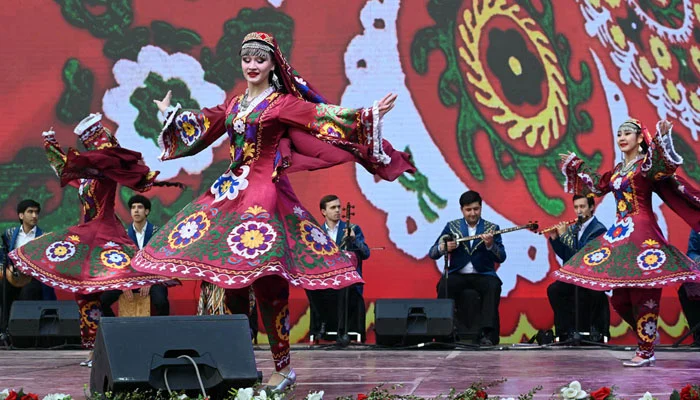
Picture this: a room full of passionate cultural workers, government officials, and community leaders buzzing with ideas about how everyday people—not just big institutions—can shape a nation’s creative soul. That’s exactly what unfolded at Chile’s international seminar “Civil Society as a Driver of Cultural Diversity” on October 10, 2024. Organized by UNESCO’s Regional Office for Latin America and the Caribbean and Chile’s Ministry of Cultures, Arts, and Heritage (MINCAP), the event wasn’t just another conference. It served as a powerful platform to showcase Chile’s steady strides under the 2005 UNESCO Convention on the Protection and Promotion of the Diversity of Cultural Expressions.
What Makes This Seminar a Game-Changer for Cultural Policy?
This gathering brought together civil society organizations, public institutions, and cultural stakeholders from across Chile. It highlighted real-world examples of how grassroots efforts drive change. Held right around the National Day of Cultural Diversity for Dialogue and Development, the seminar dove deep into participatory governance—think local artists teaming up with regional councils to keep traditions alive while sparking new creative economies. It felt like a genuine conversation, not a top-down lecture.
Understanding the 2005 UNESCO Convention and Why It Matters
The 2005 Convention stands as the first legally binding international agreement that treats cultural goods and services as more than just economic products—they’re vital expressions of identity, rights, and sustainable development. Chile ratified it in March 2007, joining over 150 countries committed to protecting cultural diversity from globalization’s homogenizing forces. For Chile, this meant shifting from a centralized cultural model to one that values diverse voices, including indigenous communities like the Mapuche and Rapa Nui. It’s a framework that encourages policies supporting artists, creative industries, and international exchanges without sacrificing local flavor.
Chile’s Ratification Journey: From Commitment to Action
Back in 2007, ratification marked a bold step for a country still healing from dictatorship-era cultural suppression. Fast-forward nearly two decades, and Chile has built a dedicated Ministry of Cultures, Arts, and Heritage—created in 2017—to turn words into deeds. The seminar tied directly into this evolution, presenting the country’s fourth Quadrennial Periodic Report (QPR) for 2020–2024. That report details 54 specific measures and policies, many co-created with civil society, showing measurable progress in governance, artist mobility, and linking culture to the UN’s 2030 Agenda. It wasn’t abstract theory; it was evidence of real change on the ground.
Key Highlights from Chile’s IV Quadrennial Periodic Report
The QPR isn’t dry bureaucracy—it’s a roadmap of achievement. It covers everything from funding creative projects in remote regions to boosting data transparency so communities can track where resources go. One standout: stronger alliances between public bodies and NGOs, which lead to more inclusive outcomes. International experts like Lázaro Rodríguez, a UNESCO consultant on cultural policies and the creative economy, praised Chile’s alignment with the Convention’s core goals—sustainable governance, balanced cultural trade, and human rights integration.
The National Network of Creative Territories: Chile’s Secret Weapon
If there’s one initiative that stole the show at the seminar, it’s the National Network of Creative Territories. This network connects local hubs where culture meets community development—think artisan cooperatives in the south or digital creators in urban neighborhoods. By late 2024, it expanded its scope and opened doors to new members, turning isolated efforts into a nationwide movement. Participants at the seminar shared how these territories foster people-centered urban planning, proving culture isn’t a luxury but a driver of local economies and social cohesion.
Regional Councils of Cultures, Arts, and Heritage in Action
Chile’s Regional Councils play a crucial frontline role, bridging national policy with hyper-local needs. At the seminar, council representatives discussed everything from capacity-building workshops to securing tech access for remote artists. These bodies ensure that cultural diversity isn’t just celebrated in Santiago but thrives in places like Arica or Punta Arenas. It’s participatory democracy in cultural form—messy at times, but deeply effective.
Civil Society’s Rising Role: Collaboration Over Top-Down Control
One of the seminar’s biggest takeaways? Civil society isn’t a sidekick—it’s the driver. Organizations that partner with local authorities deliver stronger results in participatory governance. Topics ranged from funding challenges to using data for transparency. Mauricio Delfín, a cultural manager and keynote speaker, captured the spirit perfectly: reimagining governance means empowering voices from the margins. It’s a refreshing shift from old-school models where culture flowed only from the capital.
Training Talks Launched: Building Skills for the Future
Right alongside the main discussions, the seminar kicked off a series of training sessions for civil society agents, including regional councillors and Network members. These practical workshops dug into the 2005 Convention’s nuts and bolts—how to influence policy, navigate international funding, and measure impact. Attendees left with tools, not just inspiration, making the event feel like a launchpad rather than a one-off talkfest.
Chile’s Broader Cultural Progress: World Heritage and Beyond
Chile doesn’t stop at the 2005 Convention. It boasts seven UNESCO World Heritage cultural sites, from Rapa Nui’s moai to the Churches of Chiloé and the Chinchorro mummies—the oldest artificial mummification in the world. These sites, plus a growing tentative list, show how heritage preservation fuels tourism and identity. Post-2019 social unrest, cultural policies have increasingly embraced indigenous rights and memorial sites as “living memory,” with participatory consultations shaping new laws.
Linking Culture to Sustainable Development Goals
Culture isn’t a silo in Chile—it’s woven into the SDGs. The seminar and QPR emphasized how creative economies support decent work, gender equality, and climate action. For instance, Creative Territories projects often blend traditional knowledge with eco-tourism or sustainable crafts. This holistic approach aligns perfectly with the Convention’s fourth objective: integrating culture into broader development frameworks. It’s practical magic that turns abstract rights into tangible community wins.
Comparison: Chile vs. Other Latin American Nations
| Aspect | Chile | Brazil/Argentina (for contrast) | Key Takeaway for Chile |
|---|---|---|---|
| Ministry Creation | 2017 dedicated ministry | Earlier but more fragmented | Stronger centralized coordination |
| Civil Society Integration | High via Networks & Councils | Strong coalitions but uneven | Leading in participatory models |
| QPR Measures (2020-24) | 54 co-created policies | Varies, often less documented | Transparent and measurable progress |
| Indigenous Focus | Growing consultations | Established but challenged | Room to deepen inclusion |
| Creative Economy Focus | Expanding Territorial Network | Robust but urban-heavy | Excelling in rural reach |
Chile stands out for its recent emphasis on civil society and territorial networks, though neighbors like Brazil have longer community policy traditions. The seminar positioned Chile as a regional leader in post-MONDIACULT 2025 reflection.
Pros and Cons of Chile’s Participatory Cultural Approach
Pros:
- Empowers diverse voices, including indigenous and rural communities.
- Builds resilience through local ownership and innovation.
- Attracts international partnerships and funding.
- Aligns culture with sustainable development for long-term impact.
Cons:
- Can slow decision-making with extensive consultations.
- Funding access remains uneven for smaller organizations.
- Data transparency efforts are still maturing.
- Risk of tokenism if civil society input isn’t truly binding.
Overall, the pros far outweigh the challenges, especially as training and alliances grow stronger.
People Also Ask (PAA): Real Questions Answered
What is the 2005 UNESCO Convention on Cultural Diversity?
It’s a global treaty that protects and promotes diverse cultural expressions, treating them as drivers of development rather than mere commodities. Chile uses it to shape inclusive policies.
When and where was Chile’s international seminar on cultural diversity held?
It took place on October 10, 2024, in Chile as a joint UNESCO-MINCAP event focused on civil society’s role.
How has Chile progressed with the 2005 UNESCO Convention?
Through 54 measures in its latest QPR, expanded Creative Territories, and stronger civil society partnerships that emphasize participatory governance.
What is Chile’s National Network of Creative Territories?
A growing network of local hubs that integrate culture into community and economic development, now open to more members nationwide.
Why does civil society matter in Chile’s cultural policies?
Because collaboration leads to more authentic, effective governance—exactly what the seminar celebrated.
From Personal Reflection to Global Lessons
I’ve followed cultural policy shifts across Latin America for years, and Chile’s approach hits different. Remember the 2019 estallido social? It sparked demands for more inclusive culture, and the response—through reports, networks, and seminars like this—shows a country listening and adapting. One story that stuck with me: a small creative territory in the south reviving traditional weaving while teaching digital skills to youth. That blend of old and new isn’t just survival; it’s thriving. Light moments at the seminar, like experts joking about bureaucracy versus creativity, reminded everyone that culture should spark joy, not just policy papers.
The February 2026 International Forum: Building Momentum
Fast-forward to February 5-6, 2026, and Chile hosted another high-level event in Santiago: the International Forum on Cultural Governance, Public Institutional Framework, and Strategic Alliances. Co-organized by UNESCO and MINCAP at the Gabriela Mistral Cultural Center, it reflected on post-MONDIACULT 2025 progress. National and international voices discussed participation, creative ecosystems, and cooperation—directly building on the 2024 seminar’s civil society focus. It reinforced Chile’s role as a thought leader in the region.
Challenges Ahead and Why Optimism Wins
Funding gaps, digital divides, and ensuring indigenous voices lead (not just participate) remain real hurdles. Yet the seminar’s energy—plus ongoing training and expanded networks—signals momentum. Chile proves that culture, when driven by people, becomes a force for unity in a diverse nation.
Internal and External Resources for Deeper Exploration
Curious to dive in? Check Chile’s full QPR on UNESCO’s site or explore the Creative Territories network directly through MINCAP channels. For global context, the 2005 Convention text offers timeless guidance. These links connect you straight to the action—no fluff, just impact.
FAQ: Your Burning Questions on Chile’s Cultural Seminar and Progress
Q: Who attended the 2024 international seminar?
Civil society reps, regional councillors, MINCAP officials, and UNESCO experts like Lázaro Rodríguez and Mauricio Delfín—plus stakeholders from across Chile’s creative sectors.
Q: What outcomes came from presenting the IV QPR?
It highlighted 54 collaborative measures, launched training programs, and strengthened calls for better funding and transparency in cultural governance.
Q: How can individuals or organizations get involved in Chile’s cultural networks?
Join or propose projects through the National Network of Creative Territories or contact regional councils—new members are welcome as the network grows.
Q: Does Chile’s approach influence other countries?
Absolutely. Its emphasis on civil society and territorial creativity offers a replicable model for Latin America and beyond, especially in participatory reporting.
Q: What’s next after the 2024 seminar and 2026 forum?
Continued implementation of the Convention, deeper international alliances, and measurable steps toward culture as a true global public good.
In the end, Chile’s international seminar wasn’t about boasting progress—it was about inviting the world to see how culture, when truly shared, builds stronger societies. Whether you’re a policymaker, artist, or curious traveler, this story shows why investing in diversity pays off in ways that last generations. If you’re planning a visit or project in Chile, start with its creative territories. You’ll leave inspired, maybe even with a few new connections. That’s the real power of cultural exchange.