
If you’ve ever stared at a Greyhound ticket counter wondering if that overnight ride from Chicago to Denver was a smart idea or a wild gamble, you’re not alone. Bus travel in America is one of those everyday miracles we take for granted—affordable, flexible, and surprisingly vast. Whether you’re a budget backpacker, a parent coordinating school runs, or a group planner booking a corporate retreat, there’s a bus company (or several) ready to get you there. In this deep dive, we’ll cover everything: the big players, the hidden gems, safety realities, booking hacks, and what the future holds. No fluff—just the real deal from someone who’s logged more miles on buses than most folks care to admit.
The Evolution of Bus Travel in America
Bus transportation didn’t start with sleek Wi-Fi-equipped coaches—it began humbly in the early 1900s when horse-drawn omnibuses gave way to motorized vehicles in crowded cities like New York. By the 1920s, intercity service exploded as roads improved and Americans craved affordable long-distance options beyond trains. The iconic Greyhound name emerged in 1929, and deregulation in 1982 opened the doors for competition that still shapes the industry today. Fast-forward to 2026, and buses handle nearly 600 million passenger trips annually across scheduled routes, charters, tours, and shuttles. It’s a resilient sector that quietly keeps America moving, especially for those who skip the airport hassle or can’t drive.
Major Intercity Bus Companies: The National Heavyweights
When most people think “bus companies in the US,” they picture cross-country hauls connecting big cities and small towns alike. Today, the landscape is dominated by a handful of giants, but with plenty of regional flavor mixed in. These operators focus on point-to-point travel between states, offering everything from rock-bottom fares to premium experiences. Understanding who runs what route can save you hours (and dollars) on your next trip.
Greyhound Lines: Still the King of the Road After 110+ Years
Greyhound started in 1914 with a single car shuttling miners in Minnesota and grew into America’s most recognizable intercity network. Acquired by Flix SE in 2021, it now shares resources with FlixBus while keeping its classic branding. With over 1,600 destinations and a massive fleet, it reaches places planes and trains simply ignore. I once took a Greyhound from New York to Atlanta for a family wedding—cheap ticket, reliable schedule, and that unmistakable “running dog” logo still felt like a piece of Americana.
FlixBus: The Modern, Eco-Friendly Disruptor
Launched in Germany in 2011 and expanded aggressively into the US around 2018, FlixBus brought a tech-first, asset-light model—partnering with local operators instead of owning every bus. After buying Greyhound, the combined network now covers nearly 2,300 cities across North America. Their bright green buses emphasize sustainability, free Wi-Fi, power outlets, and rock-bottom fares booked months ahead. If you’ve scored a $15 ride from LA to San Francisco, thank FlixBus’s platform. It’s proof that European innovation can thrive on American highways.
Megabus: Discount Double-Deckers and $1 Fares
Megabus burst onto the scene in 2006 with its eye-catching double-decker buses and ultra-low prices—sometimes as low as a buck if you book early. Owned by the UK’s Stagecoach Group, it shines in the Northeast and Midwest with routes like New York to Washington, DC, or Chicago to St. Louis. Expect reclining seats, Wi-Fi, and restrooms, though space can feel tight on busy weekends. It’s the go-to for college kids and spontaneous weekend getaways who prioritize savings over luxury.
Regional and Niche Intercity Players Worth Knowing
Not every route needs a national giant. Regional operators fill critical gaps with personalized service and fewer layovers.
Trailways Network: The Independent Alliance
Trailways isn’t one company but a cooperative of about 60 regional carriers. Think Jefferson Lines in the Midwest, Peter Pan in the Northeast, or Adirondack Trailways in New York. They connect smaller cities Greyhound might skip while maintaining high safety standards and comfortable coaches. Booking through their shared system feels seamless, and loyalty often rewards repeat riders with upgrades.
RedCoach, Lux Bus America, and Vamoose: Premium Options
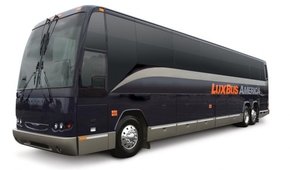
Want leather seats and fewer passengers? RedCoach serves Florida and Texas with business-class vibes—reclining seats up to 140 degrees, snacks, and entertainment. Lux Bus America runs luxury Vegas-to-Anaheim routes with door-to-door hotel service. Vamoose offers Gold Bus service between New York and DC for business travelers who value legroom and quiet. These aren’t the cheapest, but they prove buses don’t have to feel basic.
Local Public Transit Bus Systems: Everyday Heroes in Cities
Intercity gets the glamour, but local transit buses move millions daily in metro areas. These aren’t always private “companies” but public agencies or contractors.
Biggest Players by Ridership
MTA New York City Bus tops the list with hundreds of millions of trips yearly, followed by LA Metro, Chicago’s CTA, and New Jersey Transit. Many partner with private operators for efficiency. If you live in a major city, your daily commute likely involves one of these fleets—clean, frequent, and integrated with subways or light rail.
School Bus Companies: Safety First for America’s Kids
Every morning, yellow buses roll out to transport over 25 million students. Most districts contract private operators rather than run fleets themselves.
Leading School Bus Operators
First Student, Student Transportation of America (STA), and National Express LLC dominate contracts nationwide. They handle routing, maintenance, and driver training under strict state and federal rules. Blue Bird and Thomas Built Buses supply most vehicles, with electric models gaining ground thanks to federal funding. I’ve seen these operators in action during field trips—professional, punctual, and laser-focused on safety protocols that make parent hearts rest easy.
Charter and Tour Bus Companies: Perfect for Groups and Adventures
Need a bus for a wedding, corporate event, or national park tour? Charter operators specialize in private, customizable service.
Standout Charter Providers
Academy Bus (largest privately owned in the East), All Aboard America! in the Southwest, and Sunway Charters in the Carolinas offer modern motorcoaches with recliners, restrooms, and even entertainment systems. The American Bus Association represents the sector, which generates billions in economic activity through tours and shuttles. Booking through platforms like BusBank simplifies quotes for groups of 10 to 50+. It’s luxury without the plane ticket price tag.
How to Choose the Right Bus Company: Practical Decision Framework
Picking the best bus company depends on your priorities—price, comfort, reliability, or coverage.
Key Factors to Weigh
- Coverage: Greyhound/FlixBus for nationwide reach; Megabus for Northeast bargains; regionals for rural spots.
- Amenities: Most now offer Wi-Fi and outlets, but premium lines add legroom and snacks.
- Schedule Flexibility: FlixBus apps shine with real-time tracking; traditional carriers may have fixed terminals.
- Price vs. Experience: Book early for $1–$20 fares, but expect trade-offs in legroom on discount lines.
| Company | Coverage Strength | Typical Fare (NY-DC) | Wi-Fi/Power | Premium Options | Best For |
|---|---|---|---|---|---|
| Greyhound/Flix | Nationwide | $25–$60 | Yes | Limited | Long-distance, budget |
| Megabus | Northeast/Midwest | $10–$40 | Yes | Double-decker | Short trips, students |
| RedCoach/Vamoose | Florida/Texas/NY-DC | $40–$80 | Yes | Business Class | Comfort seekers |
| Jefferson Lines | Midwest/Plains | $30–$70 | Yes | Standard | Regional reliability |
| Trailways Partners | Scattered regionals | Varies | Yes | Varies | Smaller towns |
Safety Regulations and Checking Bus Company Records
Buses remain one of the safest travel modes, but not all operators are equal. The Federal Motor Carrier Safety Administration (FMCSA) requires regular inspections, drug testing, and hours-of-service rules for drivers.
How to Vet Any Operator
Visit FMCSA’s “Look Before You Book” tool, check crash and violation rates, and read recent reviews. Greyhound and FlixBus maintain strong records despite their size; smaller charters often exceed standards for group work. Always confirm insurance and emergency procedures before boarding—peace of mind is worth five minutes of research.
Booking Tips, Prices, and What to Expect on Board
Download the FlixBus or Greyhound app for instant tickets and seat selection. Book 2–4 weeks ahead for the lowest fares—last-minute prices can double. Arrive 30–60 minutes early at terminals or curbside stops. Expect security checks in bigger cities, and pack light since overhead space fills fast. Real talk: delays happen, but courteous drivers and fellow passengers often turn a long ride into an unexpectedly fun story.
Pros and Cons of Traveling by Bus in the US
Pros
- Affordable compared to flying or driving
- No TSA lines or parking hassles
- Eco-friendly per passenger
- Scenic views you miss at 30,000 feet
- Flexible for spontaneous changes on some lines
Cons
- Longer travel times than planes
- Potential for motion sickness or tight seats
- Limited luggage on discount carriers
- Weather or traffic delays hit harder
- Fewer direct routes to tiny towns
The Future of US Bus Travel: Electrification and Beyond
By 2034, the US bus market is projected to grow significantly, driven by electric fleets and federal incentives. Manufacturers like Blue Bird and New Flyer are rolling out zero-emission models for schools and transit. Flix and Greyhound are testing greener routes, while autonomous tech looms on the horizon. Riders can expect quieter, smoother rides with better apps and carbon-offset options—making buses cooler than ever for eco-conscious travelers.
People Also Ask: Quick Answers to Common Questions
What are the biggest bus companies in the US?
Greyhound (now under Flix), FlixBus, Megabus, and regional networks like Trailways and Jefferson Lines lead the pack.
Is Greyhound or FlixBus better?
They’re essentially the same family now—use Greyhound for traditional terminals and FlixBus for app-based flexibility and greener branding.
How safe are US bus companies?
Extremely safe overall, but always check FMCSA ratings. Major carriers post strong safety data.
Can I bring luggage on intercity buses?
Yes—most allow two bags under the bus plus a carry-on. Fees apply for extras on budget lines.
What’s the cheapest bus company in the US?
Megabus and FlixBus frequently win with advance-purchase deals as low as $1–$15.
FAQ: Your Most-Asked Bus Questions Answered
How do I find bus schedules near me?
Use the official apps or sites for Greyhound, FlixBus, or Megabus. Google Maps also integrates many routes.
Are there sleeper buses in the US?
Not yet like Europe, but premium overnight coaches with recliners come close.
Do bus companies offer senior or student discounts?
Yes—Greyhound and many regionals provide them; check during booking.
What happens if my bus is canceled?
Most offer rebooking or refunds, though policies vary. FlixBus tends to be more flexible.
Can I travel with pets?
Limited options—usually small carriers in-cabin on select routes. Check ahead.
Bus companies in the US deliver far more than transportation—they connect families, power economies, and offer freedom on a budget. Next time you need to cross state lines without breaking the bank, remember this guide. Safe travels, and may your next ride be smooth, scenic, and surprisingly memorable.