
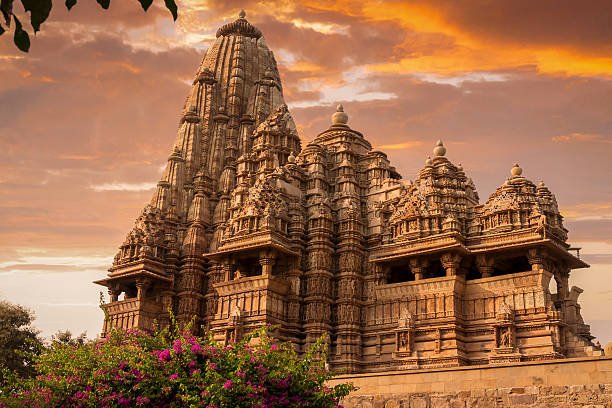
Standing before these ancient structures feels like stepping into a story written by the gods themselves. Greek temples weren’t just buildings—they were homes for deities, symbols of civic pride, and masterpieces of engineering that still shape how we think about beauty and balance today. Whether you’re a history buff planning your first trip or someone who simply loves jaw-dropping ruins with a view, the best Greek temples deliver an experience that sticks with you long after you leave. I’ve hiked up dusty paths at sunrise and watched the light hit marble columns just right, and trust me, nothing beats that rush of connection to the past.
Why Greek Temples Still Captivate Travelers Worldwide
These sacred sites blend history, myth, and jaw-dropping architecture in ways that feel almost magical. Built between the 8th and 4th centuries BC, they reflect the Greeks’ obsession with harmony, proportion, and the divine. From hilltop icons in Athens to windswept coastal gems and far-flung colonies in Sicily and Italy, the best ones offer more than photos—they invite you to imagine processions, oracles, and festivals that once filled the air with life. The emotional pull hits hard when you realize these stones have outlasted empires.
A Quick Dive Into Greek Temple Architecture Essentials
Greek temples evolved from simple wooden huts to grand stone monuments with colonnades on all sides. The heart was the cella, a room housing the god’s statue, surrounded by a peristyle of columns for shelter and processions. Everything followed strict mathematical ratios, often 4:9 for width to length, with subtle curves called entasis to trick the eye into seeing perfect straight lines. Doric, Ionic, and later Corinthian orders gave each temple its personality—sturdy and plain for mainland strength, ornate for eastern elegance.
The Three Classic Orders That Shaped Every Temple
Doric columns stand no-nonsense and fluted without bases, perfect for sturdy mainland temples like the Parthenon. Ionic ones add graceful volutes and bases, showing up in delicate spots like the Erechtheion. Corinthian brings leafy acanthus capitals for extra drama, though rarer in pure Greek work. These styles weren’t random—they mirrored regional tastes and let architects compete across city-states. Spotting the differences turns any visit into a fun game of architectural detective work.
Top Must-See Greek Temples in Athens and Attica
Athens packs more iconic temples per square mile than anywhere else, making it the perfect starting point for any Greek temple itinerary. The Acropolis alone delivers multiple highlights in one dramatic hilltop setting, while nearby spots in the Agora feel more intimate and less crowded. These sites let you trace Athens’ Golden Age rise under Pericles, when temples doubled as statements of power after Persian invasions. Plan at least two full days here to soak it all in without rushing.
The Parthenon: Athens’ Crowning Glory and Global Icon
Perched high on the Acropolis, the Parthenon stands as the ultimate symbol of classical perfection, dedicated to Athena and built between 447 and 432 BC under architects Ictinus and Callicrates. Its Doric columns and optical illusions make it look flawless from every angle, even after centuries of earthquakes, wars, and looting. I still get chills remembering my first visit at golden hour when the marble glowed like it was alive.
Temple of Hephaestus: The Best-Preserved Doric Treasure in Greece
Tucked in the Ancient Agora, this hexastyle Doric beauty from around 449 BC remains almost fully intact, complete with its roof and friezes showing Hercules’ labors. Converted to a church in the 7th century, it escaped the worst of time’s damage—making it a standout for close-up admiration. Visitors often call it the “quiet hero” of Athens because it feels more personal than the bustling Acropolis. Pros include easy access and fewer crowds; the only con is its smaller scale compared to bigger siblings.
The Erechtheion and Its Famous Caryatid Porch
On the Acropolis north side, this Ionic temple from 421–405 BC honors multiple deities on uneven sacred ground, featuring the stunning Porch of the Maidens where six female figures act as columns. The irregular design shows Greek adaptability at its finest, and replicas of the caryatids now stand here while originals rest safely in the museum. It’s a masterclass in blending sculpture with architecture that leaves you smiling at the ingenuity.
Coastal and Oracle Temples That Define Greek Drama
Beyond city centers, Greece’s temples embrace dramatic landscapes that amplify their spiritual power. Coastal cliffs and mountain slopes weren’t chosen by accident—they connected gods to nature in profound ways. These spots reward early morning or late afternoon visits when light and shadows play across the stones. Pack water and good shoes; the hikes build anticipation perfectly.
Temple of Poseidon at Cape Sounion: Cliffside Poetry in Stone
About an hour south of Athens, this Doric temple from 444 BC crowns a dramatic headland overlooking the Aegean, with 15 surviving columns framing endless sea views. Lord Byron carved his name here, and it’s easy to see why—sunsets turn the ruins golden while waves crash below. It’s less crowded than Athens sites but delivers maximum wow factor per visit. Combine it with a beach stop for the ultimate day trip.
Temple of Apollo at Delphi: Home of the Famous Oracle
Nestled on Mount Parnassus slopes two hours from Athens, this temple complex from the 4th century BC was ancient Greece’s spiritual heart, where the Pythia delivered prophecies that shaped history. The ruins sit amid olive groves with killer mountain vistas, and the on-site museum holds incredible artifacts. Standing where kings once sought advice feels humbling—pure emotional payoff for the climb.
Peloponnese Powerhouses and Olympic Legacy Sites
The Peloponnese region offers temples tied to myths and games that still echo today. Olympia stands out for its connection to the original Olympics, while others provide quieter, more reflective experiences. These sites work great as part of a road trip loop from Athens, with rental cars giving you freedom to linger.
Temple of Zeus at Olympia: Cradle of the Olympic Games
Built around 460 BC in the sanctuary of Olympia, this massive Doric temple once housed a 12-meter gold-and-ivory Zeus statue—one of the Seven Wonders. Though mostly ruins now, the sheer scale and peaceful setting evoke the ancient athletes and festivals that started here. It’s a must for sports fans and history lovers alike.
Greek Temples in Magna Graecia: Sicily and Italy’s Best-Preserved Secrets
Greek colonists spread their temple-building genius across southern Italy and Sicily, leaving ruins often better preserved than those back home. These sites feel like undiscovered treasures with fewer tourists and stunning natural backdrops. If your trip includes Italy, don’t skip them—they’re genuine Greek masterpieces on foreign soil.
Paestum’s Doric Trio: Italy’s Ancient Greek Masterpiece
South of Naples, Paestum boasts three exceptionally intact Doric temples from the 6th and 5th centuries BC, including the Basilica and Temple of Hera. The flat plain setting lets you wander freely among them, and the nearby museum holds painted tombs that add vivid color to the story. It’s a highlight for anyone craving pristine columns without crowds.
Valley of the Temples at Agrigento: Sicily’s Temple Highway
This UNESCO site features a row of eight Doric temples along a ridge, with the Temple of Concordia ranking among the world’s best-preserved. Golden-hour light on the honey-colored stone is unforgettable, and the vast archaeological park rewards slow exploration. Pros include variety in one visit; cons are summer heat and some walking required.
Comparing the Best Greek Temples Side by Side
Here’s a handy table to help you choose based on your interests:
| Temple | Location | Order | Best For | Preservation Level | Crowd Level | Unique Feature |
|---|---|---|---|---|---|---|
| Parthenon | Athens | Doric | Iconic views & history | Good (scaffolding) | High | Optical illusions & friezes |
| Hephaestus | Athens | Doric | Intimate detail | Excellent | Medium | Intact roof & friezes |
| Poseidon Sounion | Cape Sounion | Doric | Dramatic sunsets | Good | Medium | Cliffside sea views |
| Apollo Delphi | Delphi | Doric | Oracle myths | Fair | Medium | Mountain setting & artifacts |
| Zeus Olympia | Olympia | Doric | Olympic legacy | Ruins | Low | Games connection |
| Concordia Agrigento | Sicily | Doric | Best overall preservation | Excellent | Medium | Near-perfect colonnade |
| Paestum Temples | Italy | Doric | Pristine early examples | Excellent | Low | Multiple temples in one site |
Pros and Cons of Visiting the Top Greek Temples
Pros: Unmatched historical depth, Instagram-worthy backdrops, and that rare feeling of standing where legends walked. Many offer combined tickets and audio guides for deeper context.
Cons: Summer heat and crowds at popular spots like the Acropolis; some require moderate hiking; restoration scaffolding can block perfect photos. Off-season visits solve most issues.
People Also Ask: Your Burning Questions Answered
- What makes the Parthenon the most famous Greek temple? Its perfect proportions, role in Athenian identity, and global influence on architecture set it apart.
- Are the best-preserved Greek temples actually in Greece? Surprisingly, many top survivors are in Sicily and Italy thanks to fewer wars and later reuse as churches.
- How long does it take to visit the main Greek temples? A focused Athens trip needs 2–3 days; adding Delphi or Sounion adds another full day each.
- Can you still climb inside these temples? Generally no—most are roped off for protection, but you get incredible close-up views from paths.
- What’s the best time of year for Greek temple tours? Spring (April–June) or fall (September–October) offer mild weather and thinner crowds.
Practical Tips for Planning Your Greek Temple Adventure
Book tickets online in advance for the Acropolis and major sites to skip lines—especially in peak season. Wear comfortable shoes, bring sun protection, and consider a guided tour for context that makes the stones come alive. Combine temples with beaches or tavernas for balance; a multi-day Peloponnese or Sicily loop maximizes value. Local guides often share stories you won’t find in guidebooks.
FAQ: Everything Else You Need to Know
What are the absolute best Greek temples for first-timers?
Start with the Parthenon, Hephaestus, and Sounion—they deliver maximum impact with reasonable travel time.
Do Greek temples cost much to visit?
Most sites are affordable (around €20–30 for Acropolis combo tickets), with free or reduced entry for students and seniors. Multi-site passes save money.
Are there any Greek temples suitable for families or limited mobility?
Paestum and parts of the Ancient Agora work well with flatter terrain, while the Acropolis has some accessibility improvements but still involves steps.
How do I avoid crowds at popular temples?
Arrive at opening or visit late afternoon; off-season travel changes everything.
Why include temples outside Greece?
Magna Graecia examples like Paestum and Agrigento are pure Greek in design and often better preserved, expanding your understanding of ancient Greek reach.
These temples aren’t just ruins—they’re invitations to feel the pulse of a civilization that valued beauty, intellect, and the divine in equal measure. Whether you chase the Parthenon’s perfection or Paestum’s quiet majesty, each one rewards curiosity with stories etched in stone. Pack your sense of wonder, lace up those walking shoes, and go chase that timeless Greek magic. Your future self will thank you.