
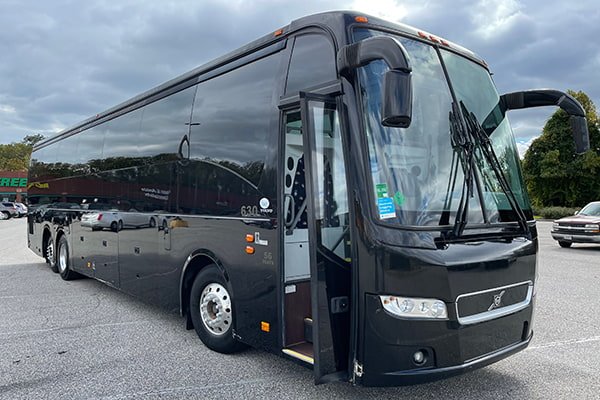
I still remember the first time I stepped onto a Greyhound coach in Chicago, bound for the wide-open skies of the Southwest. The hum of the engine, the chatter of strangers turning into friends over shared snacks, and the endless ribbon of highway unfolding outside the window—it wasn’t just transportation. It was the real America, unfiltered and alive. American coach travel, whether you’re talking affordable intercity buses or guided motorcoach tours, remains one of the most authentic ways to explore this vast country. It’s budget-friendly, scenic, and packed with stories you simply won’t find at 30,000 feet.
If you’re dreaming of seeing the USA without the hassle of driving or the sky-high cost of flying, coach travel delivers. From bustling city hops to epic cross-country adventures, it puts you right in the middle of the landscape and the people who call it home. And in 2026, with modern fleets, better amenities, and smarter booking apps, it’s more appealing than ever.
Understanding American Coach Travel – What It Really Means
American coach travel simply means journeying across the United States by motorcoach—those comfortable, long-haul buses equipped with reclining seats, restrooms, Wi-Fi, and sometimes even entertainment systems. It covers everything from daily intercity routes run by big operators to multi-day escorted tours where a professional guide handles every detail. Unlike a city bus, these coaches are built for the long haul, with ample legroom and storage for your bags.
A Brief History of Coach Travel in the United States
Coach travel in America dates back over a century, evolving from dusty stagecoaches to sleek, air-conditioned motorcoaches that shaped how millions see the country. What started as small regional services exploded in the 1920s and 1930s, becoming a lifeline during the Great Depression and World War II when gasoline and tires were rationed.
The Birth of Greyhound and the Golden Age of Buses
Greyhound Lines kicked things off in 1914 when a car salesman in Minnesota began shuttling miners between Hibbing and Alice. By the 1930s, the iconic running greyhound logo symbolized reliable, affordable travel, carrying nearly as many passengers as the railroads. Those yellow Super Coaches revolutionized comfort with bigger windows and smoother rides, turning bus travel into an adventure millions embraced.
How Deregulation Changed the Game
The 1982 deregulation of the intercity bus industry opened the door to competition. New players like Megabus and later FlixBus introduced low fares and online booking, while Greyhound adapted and eventually joined forces with Flix. Today’s market blends budget options with luxury coaches, making American coach travel more accessible and varied than at any point in its history.
Why Americans (and Visitors) Love Traveling by Coach
There’s something special about watching America roll by at ground level—rolling hills turning into mountains, small towns flashing past, and sunsets that planes can never match. Coach travel lets you skip the airport security lines and parking nightmares while keeping costs low and your carbon footprint smaller than driving alone.
- You see the real country, not just airports and hotels.
- It’s social—conversations with fellow passengers often lead to unexpected friendships or travel tips.
- No driving fatigue or navigation stress; just sit back and enjoy the ride.
- Budget-friendly fares mean you can splurge on experiences at your destination.
Major Players in American Coach Travel Today
The American coach scene in 2026 features a healthy mix of giants, regional specialists, and luxury operators, each serving different needs and budgets. Whether you want rock-bottom prices or premium perks like Wi-Fi hotspots and power outlets at every seat, there’s an option that fits.
Iconic Greyhound and FlixBus: The Budget Kings
Greyhound, now under Flix, still operates the largest network with over 1,600 destinations. FlixBus brings European-style efficiency with app-based booking and modern coaches. Together they dominate affordable point-to-point travel, perfect for spontaneous trips between major cities.
Luxury Options Like RedCoach and Vonlane
For those who want more than basic transport, RedCoach and Vonlane offer leather seats, extra legroom, onboard snacks, and even priority boarding. These premium services shine on busy corridors like Florida or Texas routes, turning a long ride into a relaxing experience rather than a chore.
Regional Gems and Charter Services
Don’t overlook regional standouts like Coach USA, Peter Pan Bus Lines, Jefferson Lines, or smaller outfits such as American Coach Travel in Louisville, Kentucky. These companies excel at charters for groups, sports teams, weddings, or customized tours, often with top safety ratings and personalized service that big fleets can’t always match.
Escorted Coach Tours: The Stress-Free Way to See the USA
Escorted coach tours take the planning out of your hands entirely. Professional guides, comfortable motorcoaches, and pre-booked hotels mean you simply show up and soak in the sights. They’re especially popular for first-timers or anyone who wants to cover multiple states without lifting a finger.
Top Tour Operators for 2026
Companies like Collette, Globus, Tauck, and Diamond Tours lead the pack with expertly curated itineraries covering national parks, historic cities, and scenic routes. Many now offer smaller groups and hybrid options blending coach travel with short train or boat segments for variety.
Popular Routes and Destinations for Coach Travel
Some routes have become legends among coach travelers. The New York to Boston run feels like a quick commute, while the Los Angeles to Las Vegas hop delivers desert drama in just a few hours. Longer hauls like Chicago to New Orleans reveal the soul of the South through changing landscapes and roadside diners.
Cross-Country Classics
Dreaming of coast-to-coast? Greyhound and FlixBus make it possible, though you’ll likely break it into segments with overnight stops. The route from San Francisco to New York via Denver and Chicago remains a bucket-list favorite, offering a front-row seat to America’s diversity.
National Parks and Scenic Wonders
Coach tours shine here. Multi-day packages from Las Vegas to the Grand Canyon, Zion, and Bryce Canyon let you focus on the views instead of parking lots. East Coast tours through the Smoky Mountains or New England fall foliage deliver postcard moments without the driving hassle.
Comparing Coach Travel to Other Modes of Transportation
Coach travel sits in a sweet spot—cheaper than flying or driving for many routes, more comfortable than you might expect, but slower than planes. Here’s a quick 2026 comparison for a sample 500-mile trip like Chicago to Washington, D.C.:
| Mode | Avg. Cost (one-way) | Travel Time | Comfort Level | Flexibility | Environmental Impact |
|---|---|---|---|---|---|
| Coach/Bus | $40–$80 | 12–15 hrs | Good (reclining seats, Wi-Fi) | Low (fixed schedule) | Low (shared ride) |
| Train (Amtrak) | $80–$150 | 18–22 hrs | Excellent (scenic views, café) | Medium | Low |
| Plane | $120–$250 | 2–3 hrs + airport time | High (but cramped) | High (many flights) | High |
| Driving (car) | $70–$100 (gas + tolls) | 8–10 hrs | High (your pace) | Highest | Medium (solo) |
Pros and Cons of American Coach Travel
Like any travel choice, coach travel has trade-offs. Understanding them helps you decide if it matches your style.
Pros
- Extremely affordable compared to other options.
- Eco-friendly way to cover long distances.
- Opportunity to meet interesting people from all walks of life.
- No need to worry about gas, parking, or navigation.
Cons
- Longer travel times than flying.
- Limited schedule flexibility on some routes.
- Potential delays from traffic or weather.
- Less privacy than driving or flying solo.
Real Traveler Stories: What It’s Like on the Road
Last summer I joined a small group on a Collette tour through the Southwest. Our driver, a retired firefighter named Mike, shared local legends at every stop while the guide pointed out hidden trails. One passenger, a retired teacher from Ohio, swapped stories with a young tech worker from California. By the end, we felt like old friends. Another time, a budget Greyhound ride from Seattle to Portland turned into an impromptu food tour when the bus stopped for a break and everyone swapped recommendations for the best clam chowder.
These moments—laughing through a minor delay or watching a family spot their first bison—remind me why coach travel feels so human. It’s not always glamorous, but it’s genuine.
Essential Tips for a Smooth Coach Journey
Preparation makes all the difference between a good trip and a great one. Pack layers, download offline entertainment, and arrive early to secure a window seat.
Booking Smart and Saving Money
Book at least two weeks ahead for the lowest fares, especially on popular routes. Apps from FlixBus or Greyhound often flash flash sales. Consider multi-ride passes if you’re stringing together several cities. Midweek travel usually beats weekend prices.
Packing and What to Expect Onboard
Bring a neck pillow, snacks, and a reusable water bottle. Most modern coaches have power outlets and decent Wi-Fi, but signal can drop in rural areas. Restrooms are onboard, but plan bathroom breaks during scheduled stops.
Safety and Comfort Hacks
Choose operators with strong safety ratings—most major companies exceed federal standards. Sit toward the front for a smoother ride and less motion sickness. Download the carrier’s app for real-time updates and seat selection.
People Also Ask About American Coach Travel
How much does coach travel cost in the USA?
Fares vary wildly. A short hop might run $20–$50 while a cross-country journey could total $150–$300 with stops. Budget operators beat airlines on price, and early booking saves even more.
Is coach travel safe in America?
Yes—major companies maintain excellent safety records through regular maintenance and professional drivers. Federal oversight keeps standards high, and incidents are rare compared to car travel.
What are the best coach tour companies in the US?
Collette, Globus, Tauck, and Diamond Tours consistently earn top marks for escorted experiences. For point-to-point, FlixBus/Greyhound and regional players like Coach USA stand out.
Can you really travel cross-country by bus?
Absolutely. It takes planning and patience, but thousands do it every year. Break it into manageable segments or join a multi-day tour for the easiest experience.
How comfortable are American coaches compared to European ones?
Modern U.S. coaches rival or exceed European standards with more legroom on premium services. Expect recliners, restrooms, and power outlets on nearly every long-haul vehicle.
Frequently Asked Questions
Do coaches have Wi-Fi and charging ports?
Most do, though reliability varies by location. Premium and newer fleets offer the strongest connections.
Are there age restrictions or special services for seniors?
No age limits exist, and many operators offer senior discounts or assisted boarding. Escorted tours often cater specifically to mature travelers.
What happens if my bus is delayed?
Policies differ by company, but most offer rebooking or compensation for significant delays. Apps provide live tracking to keep you informed.
Can I bring luggage on a coach?
Yes—typically two checked bags plus a carry-on. Size and weight limits are generous compared to airlines.
Is coach travel family-friendly?
Very. Kids often love the adventure, and many routes offer family fares or child discounts. Just pack activities for longer rides.
Is American Coach Travel Right for You?
If you crave authentic experiences, want to stretch your travel budget, and don’t mind trading a little speed for scenery and savings, American coach travel might become your new favorite way to explore. Whether you’re a solo adventurer chasing sunsets across the plains or a family creating memories on a guided tour, the road is waiting. Grab your ticket, settle into that window seat, and let America unfold one mile at a time. Your next great story starts with the simple decision to hit the road—by coach.