
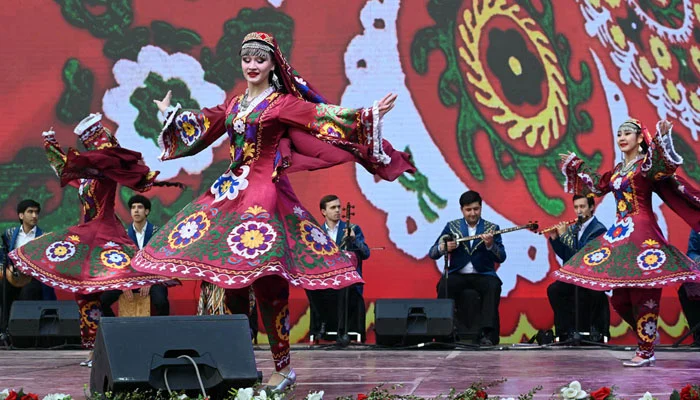
Cultural diversity isn’t just a buzzword—it’s the living, breathing heartbeat of our connected planet. From bustling street markets in Lahore to quiet villages in the Andes, it shapes how we eat, celebrate, solve problems, and dream together. In this essay, we’ll dive deep into what makes cultures so uniquely vibrant, why embracing them matters now more than ever, and how ordinary people like you and me can turn differences into strengths. Let’s explore this colorful world side by side.
What Exactly Is Cultural Diversity?
Cultural diversity is the beautiful mix of languages, traditions, beliefs, foods, arts, and ways of life that different groups bring to any society. It goes far beyond skin color or nationality—it includes everything from how we greet each other to the stories we tell our children. Think of it as a global potluck where every dish adds flavor without overpowering the rest. When people from varied backgrounds live, work, and learn together, that’s cultural diversity in action.
The Roots of Cultural Diversity in Human History
Human history has always been a story of movement and mixing. Ancient trade routes like the Silk Road didn’t just carry spices—they swapped ideas, religions, and customs that still echo today. Early migrations from Africa spread humanity across continents, creating unique blends wherever people settled. Even conflicts sometimes forced cultures to adapt and borrow from one another, turning strangers into neighbors over generations.
Early Migrations and Cultural Exchange
Nomadic tribes and explorers didn’t stay isolated for long. When the first humans crossed into new lands, they adapted their tools, languages, and rituals to survive, often blending with local groups. This constant exchange laid the foundation for today’s diverse societies, proving that mixing has always been our natural state rather than the exception.
Why Cultural Diversity Matters More Than Ever in Our Globalized World
In 2026, borders feel smaller thanks to technology and travel, but misunderstandings can still flare up fast. Cultural diversity builds bridges where walls once stood. It fosters empathy in an age of echo chambers and drives innovation when teams bring fresh perspectives. Without it, societies risk stagnation; with it, we gain resilience and richer lives. It’s not optional anymore—it’s essential for peace and progress.
The Link Between Diversity and Sustainable Development
UNESCO’s Universal Declaration on Cultural Diversity from 2001 reminds us that culture powers sustainable growth. The World Day for Cultural Diversity, celebrated every May 21, highlights how dialogue across cultures tackles big issues like climate change and inequality. When communities respect differences, they create stronger, more creative solutions together.
The Rich Tapestry of Cultural Diversity: Real Examples from Around the Globe
Walk through any major city and you’ll see it: a Sikh temple next to a Mexican taqueria, or kids swapping anime stories with folktales from Africa. Countries like Canada officially celebrate multiculturalism, while India juggles hundreds of languages and festivals in one nation. Even smaller places like Singapore weave Malay, Chinese, Indian, and Western influences into daily life without losing their own identities.
Cultural Diversity in South Asia: A Living Example
In Pakistan and neighboring India, diversity shines through regional cuisines, music, and customs. One family might break bread with naan and curry while celebrating Eid or Diwali with neighbors from different faiths. This everyday blending shows how diversity isn’t abstract—it’s the warmth of shared meals and stories that bind communities.
Indigenous Cultures Preserving Ancient Wisdom
From the Sami people of Scandinavia herding reindeer to the Quechua in Peru maintaining ancient farming techniques, indigenous groups keep traditions alive amid modern pressures. Their knowledge of sustainable living offers lessons the whole world needs right now.
How Cultural Diversity Fuels Innovation and Creativity
Diverse teams don’t just get along—they spark breakthroughs. Studies show companies with strong cultural diversity are up to 70% more likely to capture new markets because fresh viewpoints spot opportunities others miss. A single idea from one culture can solve a problem another never considered. It’s like adding new colors to an artist’s palette; suddenly the picture comes alive in ways you never imagined.
Real-World Wins from Diverse Perspectives
Tech giants and startups alike credit mixed teams for game-changing products. When engineers from Asia, Africa, and Latin America collaborate, they design apps that truly serve global users. The result? Faster problem-solving and ideas that feel inclusive rather than one-size-fits-all.
The Social Benefits of Embracing Different Cultures
Diversity reduces prejudice by turning “them” into “us.” It builds stronger communities where people feel seen and valued, lowering loneliness and boosting mental health. Kids raised in diverse settings grow up more open-minded and adaptable. On a bigger scale, it strengthens social cohesion and makes societies more peaceful and cooperative.
Pros and Cons of Cultural Diversity in Society
Here’s a quick comparison to weigh the upsides and hurdles:
| Aspect | Pros | Cons |
|---|---|---|
| Social Cohesion | Builds empathy and reduces bias | Can spark initial misunderstandings |
| Economic Growth | Drives innovation and new markets | Requires investment in integration |
| Personal Growth | Expands worldviews and resilience | Occasional culture shock or discomfort |
| Community Strength | Creates vibrant, supportive networks | Risk of stereotypes if not addressed |
Diversity’s benefits far outweigh the challenges when handled with care and open dialogue.
Challenges That Come with Cultural Diversity – And How to Overcome Them
Not every mix feels smooth at first. Language barriers, stereotypes, or clashing values can create friction. Some folks worry about losing their own traditions in the blend. Yet these bumps are normal growing pains. The fix? Honest conversations, education, and policies that value every voice without forcing sameness.
Common Obstacles and Practical Solutions
Prejudice or miscommunication tops the list, but simple tools like cultural sensitivity workshops work wonders. Communities that host joint festivals or language exchanges watch tensions melt into friendships. The key is patience and a willingness to learn rather than judge.
Cultural Diversity in the Workplace: A Double-Edged Sword
Offices today look like mini United Nations meetings, and that’s a good thing for profits and ideas. Diverse teams make smarter decisions 87% of the time, per research. Yet challenges like different communication styles or holidays can slow things down if ignored. Smart companies turn diversity into an advantage by training leaders and celebrating contributions.
Comparison: Diverse vs. Uniform Workplaces
Diverse teams often outperform uniform ones in creativity and market reach, while uniform groups might move faster on routine tasks but risk groupthink. The sweet spot lies in inclusive practices that let everyone shine.
The Role of Cultural Diversity in Education
Classrooms packed with students from varied backgrounds prepare kids for the real world better than any textbook. They learn tolerance early, pick up new languages effortlessly, and develop global mindsets. Teachers who weave multicultural stories into lessons create curious, compassionate learners ready to thrive anywhere.
Benefits for Students and Schools
Exposure to diversity boosts critical thinking and empathy. Schools that host cultural days or exchange programs report fewer bullying incidents and higher engagement. It’s an investment that pays off for generations.
Personal Stories: My Encounters with Cultural Diversity
I’ll never forget my first Diwali in a multicultural neighborhood years ago. Neighbors from India invited me to light lamps and share sweets, while I brought my family’s favorite tea ritual from back home. What started as awkward small talk turned into lifelong friendships and a deeper appreciation for how food and stories connect us. Another time, traveling through Europe, a simple misunderstanding over greetings taught me more about respect than any lecture ever could. These moments remind me diversity isn’t theory—it’s the joy of shared humanity.
Strategies for Promoting Cultural Diversity in Everyday Life
You don’t need a big budget or fancy title to make a difference. Start small: try a new cuisine, attend a local festival, or strike up a conversation with someone whose background differs from yours. Support businesses run by immigrants and read books from other cultures. Schools and workplaces can host workshops or create inclusive policies. Every small step ripples outward.
Best Tools and Resources for Learning
Apps like Duolingo for languages, websites from UNESCO for global insights, or local community centers offering free cultural events are fantastic starting points. Podcasts and documentaries on real people’s journeys add depth without overwhelming you.
People Also Ask About Exploring Cultural Diversity
What is cultural diversity in simple terms?
Cultural diversity means having lots of different cultures living and thriving together in one place. It includes variations in food, music, holidays, beliefs, and daily habits that make life more interesting and full of learning opportunities.
Why is cultural diversity important in today’s world?
It sparks innovation, reduces conflicts, and helps societies adapt to change. In our global economy, diverse perspectives lead to better products, stronger teams, and more peaceful communities.
What are some examples of cultural diversity?
Think of New York City’s mix of cuisines or India’s countless festivals and languages coexisting. Even a small town with families from different continents celebrating their unique traditions counts as vibrant diversity.
How does cultural diversity affect the workplace?
It boosts creativity and profits but can create communication hurdles. Companies that train staff and celebrate differences see higher retention and fresh ideas.
What are the challenges of cultural diversity?
Misunderstandings, stereotypes, and integration issues can arise, but open dialogue and education usually turn them into growth opportunities.
FAQ: Your Top Questions Answered
What’s the difference between cultural diversity and multiculturalism?
Cultural diversity describes the presence of many cultures, while multiculturalism is the active policy or attitude of welcoming and supporting that mix.
Can cultural diversity exist without conflict?
Yes—when respect and curiosity lead the way, differences become strengths rather than sources of tension.
How can individuals contribute to cultural diversity?
By staying open-minded, learning about others, and challenging your own biases in daily interactions.
Is cultural diversity only about race and ethnicity?
No—it also covers religion, language, age, gender, ability, and even regional customs within the same country.
Where can I experience cultural diversity right now?
Local markets, festivals, libraries with international sections, or even online communities celebrating global traditions.
Diversity isn’t going anywhere, and that’s wonderful news. It challenges us to grow, laugh at our differences, and build something stronger together. Whether you’re in Lahore sharing biryani with new friends or scrolling through stories from distant lands, remember: our vibrant world thrives when we celebrate every thread in the tapestry. The next time you meet someone from another background, lean in with curiosity. You might just discover a new favorite part of humanity.